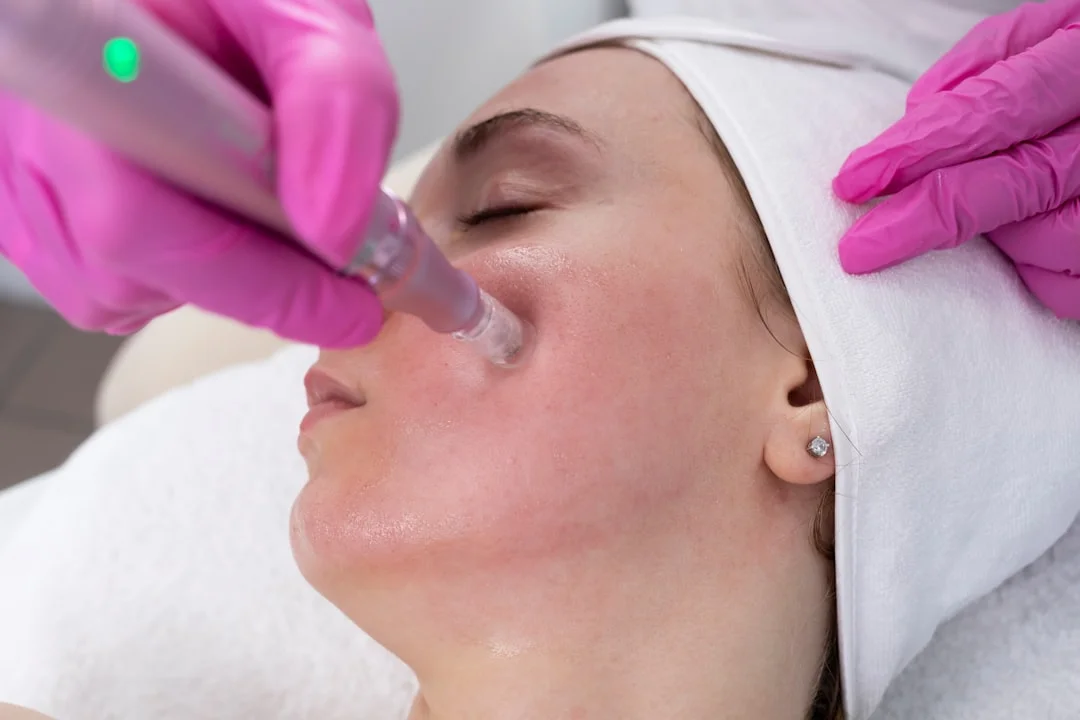
Are you tired of looking in the mirror and seeing stubborn dark spots, uneven tone, or lingering acne marks? You're not alone. Dealing with hyperpigmentation can be a frustrating journey, with many treatments promising results that don't always materialize. But what if there was a clear path to a more radiant, even complexion? This guide will navigate you through the most effective pigmentation removal treatments available today, helping you understand which approach is best suited for your unique skin concerns and tone.
Understanding the different types of pigmentation is the first crucial step. Whether it's the scattered sun spots from years of sun exposure, the often hormone-related melasma that can be particularly challenging, or the post-inflammatory hyperpigmentation left behind by acne, each requires a tailored treatment strategy. Furthermore, your skin tone plays a significant role in determining the safety and efficacy of certain procedures. At Facelit, we emphasize this personalized approach, recognizing that what works wonders for one individual might not be the ideal solution for another. By diving into the latest dermatological findings, we can identify the treatments that offer the best chance for significant and lasting improvement.
The Science Behind Pigmentation
Before we explore the treatments, let's briefly touch upon what causes pigmentation. Hyperpigmentation occurs when the skin produces more melanin, the pigment responsible for skin and hair color. This overproduction can be triggered by several factors:
- Sun Exposure: Ultraviolet (UV) radiation stimulates melanocytes to produce more melanin, leading to sun spots (lentigines) and freckles.
- Inflammation: Post-inflammatory hyperpigmentation (PIH) is a common consequence of skin injuries, such as acne, eczema, psoriasis, or even minor cuts and burns. The skin's healing process can sometimes lead to an overproduction of melanin in the affected area.
- Hormonal Changes: Melasma, characterized by larger patches of darker skin, often appears on the face and is frequently linked to hormonal fluctuations, such as those during pregnancy or due to birth control pills. It can also be exacerbated by sun exposure.
- Aging: As we age, our skin's ability to repair itself can diminish, and cumulative sun exposure can lead to the formation of age spots.
- Certain Medications: Some medications can increase your skin's sensitivity to sunlight or directly affect pigmentation.
Top In-Office Procedures for Fast and Stubborn Results
When you're looking for significant changes, especially for stubborn or widespread pigmentation, in-office procedures performed by trained professionals often yield the most rapid and effective results. Based on current dermatological findings, several advanced dermatology treatments stand out.
Picosecond Lasers: The Precision Powerhouse
Picosecond lasers, such as PicoWay and PicoSure, are at the forefront of pigmentation removal technology. These lasers deliver ultra-short pulses of energy—lasting only a trillionth of a second—to break up pigment particles with minimal heat exposure to the surrounding skin. This precision is key for several reasons:
- Efficacy: The rapid energy delivery effectively shatters pigment into tiny fragments, which the body can then naturally clear away. This makes them highly effective for a range of pigmentation issues, including sun spots, melasma, and PIH.
- Safety for All Skin Tones: One of the most significant advantages of picosecond lasers is their safety profile for individuals with darker skin tones. Traditional lasers can sometimes cause thermal damage or hypopigmentation (lightening of the skin) in deeper skin types. Picosecond lasers, with their minimal heat, significantly reduce this risk, making them a more accessible option for a broader patient population.
- Reduced Downtime: Because they are less aggressive on the surrounding tissue, picosecond laser treatments typically involve minimal downtime. Patients may experience some redness or mild swelling immediately after the procedure, but this usually subsides within a few hours to a day.
- Versatility: Beyond pigment, picosecond lasers can also be used for skin rejuvenation, improving texture and reducing the appearance of fine lines and acne scars.
Professional Chemical Peels: Unveiling Fresh Skin
Chemical peels are a time-tested method for exfoliating the skin's top layers, revealing fresher, less pigmented skin underneath. Different types of peels utilize varying concentrations and types of acids to achieve different levels of exfoliation. For effective pigmentation removal, professional-grade peels are essential.
- TCA (Trichloroacetic Acid) Peels: TCA peels can range from superficial to medium-depth, depending on the concentration used. They are effective at treating a variety of pigment irregularities, including sun damage and PIH. Deeper TCA peels can provide more dramatic results but come with a longer recovery period.
- Glycolic Acid Peels: Derived from sugar cane, glycolic acid is an alpha-hydroxy acid (AHA) that works by dissolving the bonds between dead skin cells. Superficial glycolic acid peels can help to brighten the skin and improve mild discoloration. They are often used as part of a maintenance regimen or for very minor pigment concerns.
- Cosmelan Peel: This peel is particularly renowned for its efficacy in treating stubborn, deep-seated pigmentation, especially melasma. Cosmelan is a two-phase treatment that involves an intensive in-clinic mask followed by a home-care regimen. It works by inhibiting tyrosinase, an enzyme crucial for melanin production, thereby reducing the formation of new pigment.
When considering chemical peels, it's vital to consult with a dermatologist or aesthetician. They can assess your specific pigmentation concerns, skin type, and medical history to recommend the most appropriate peel and concentration. The depth of the peel will dictate the intensity of results and the expected recovery time.
BBL HERO (BroadBand Light): Targeting Widespread Sun Damage
BroadBand Light (BBL) therapy, particularly the HERO (High Energy Rapid Output) technology, is exceptionally effective for addressing widespread sun damage, freckles, and age spots. Unlike lasers that use a single wavelength, BBL uses a broad spectrum of light.
- How it Works: BBL devices deliver pulses of light energy that are absorbed by the melanin in pigmented lesions. This energy heats the pigment, causing it to break down and be naturally eliminated by the body. It also stimulates the skin's regenerative processes, leading to improved skin tone and texture.
- Ideal For: BBL HERO is particularly well-suited for individuals with lighter skin tones who have diffuse sun damage or numerous small pigmented spots across larger areas of the face, neck, chest, or hands.
- Comfort and Speed: The HERO technology allows for faster treatment times compared to older BBL systems, making it more comfortable and convenient for patients. Multiple passes can be performed in a single session to ensure thorough treatment.
Clear + Brilliant Perméa: Gentle Yet Effective Rejuvenation
The Clear + Brilliant Perméa laser is a gentler fractional laser treatment that offers a fantastic option for those seeking to improve skin tone and texture while addressing superficial pigmentation. It's often recommended for individuals who are new to laser treatments or prefer a less intense procedure with minimal downtime.
- Fractional Approach: Clear + Brilliant works by creating microscopic treatment zones in the skin. This controlled injury stimulates the body's natural healing response, promoting the turnover of damaged skin cells and the production of new collagen.
- Perméa Handpiece: The Perméa handpiece is specifically designed to enhance the skin's permeability, allowing topical treatments like antioxidants and vitamins to penetrate more effectively. This dual action helps to not only treat existing pigmentation but also to protect against future sun damage and improve overall skin radiance.
- Benefits: Patients often report a smoother, brighter complexion with a reduction in the appearance of pores and early signs of aging. It's an excellent choice for maintaining healthy, youthful-looking skin and preventing the progression of sun damage.
Choosing the Right Treatment for You
Selecting the best pigmentation removal treatment hinges on several factors:
- Type of Pigmentation: Is it sun spots, melasma, PIH, or a combination? Melasma, for instance, often requires a more nuanced approach due to its hormonal triggers and potential to worsen with certain laser treatments. Picosecond lasers and specialized peels like Cosmelan are often favored for melasma.
- Skin Tone: As mentioned, darker skin tones require treatments that minimize the risk of hypopigmentation or thermal injury. Picosecond lasers and certain carefully administered chemical peels are generally safer. Individuals with lighter skin tones may have more options, including BBL HERO.
- Severity and Depth: Superficial pigments might respond well to lighter peels or Clear + Brilliant, while deeper, more stubborn pigment might necessitate picosecond lasers or deeper chemical peels.
- Downtime Tolerance: Are you able to take time off for recovery? Deeper peels and some laser treatments require more downtime than gentler options like Clear + Brilliant.
- Budget: Treatment costs can vary significantly between procedures, the number of sessions required, and the expertise of the provider.
It's crucial to have a thorough consultation with a qualified dermatologist or aesthetician. They can accurately diagnose the cause of your pigmentation, assess your skin type, and recommend a personalized treatment plan. At Facelit, our specialists are adept at evaluating these individual needs to ensure the most effective and safe treatment strategy is employed.
Frequently Asked Questions
What is the fastest way to remove pigmentation?
For the fastest results, in-office procedures like picosecond lasers and professional chemical peels (such as TCA or Cosmelan) are generally considered the most effective. These treatments work by directly targeting and breaking down pigment or by aggressively exfoliating the skin.
Can I treat melasma with lasers?
Treating melasma with lasers can be complex. While some picosecond lasers may be effective, aggressive laser treatments can sometimes worsen melasma or cause paradoxical darkening. It's essential to consult with a dermatologist specializing in melasma treatment to determine the safest and most effective laser or non-laser approach.
How many sessions of laser treatment are needed for pigmentation?
The number of laser sessions required varies depending on the type of laser, the severity of the pigmentation, and the individual's response. Typically, a series of 3-6 treatments spaced several weeks apart is recommended for optimal results with many laser modalities.
Are chemical peels safe for all skin types?
Chemical peels can be safe for most skin types, but the type and strength of the peel must be carefully selected. Lighter peels like glycolic acid are generally safe for many skin tones, but deeper peels carry a higher risk of complications, such as scarring or permanent pigment changes, especially in darker skin tones. Professional consultation is paramount.
What is the difference between sun spots and melasma?
Sun spots (solar lentigines) are typically caused by cumulative sun exposure and appear as distinct, scattered brown or black spots. Melasma, on the other hand, often presents as larger, diffuse patches of darker skin, commonly on the cheeks, forehead, and upper lip, and is often influenced by hormones and sun exposure.
Can I combine treatments for better results?
Yes, combining treatments can often yield superior results. For example, a series of chemical peels might be followed by picosecond laser treatments, or a patient might undergo laser treatments for sun spots while using a topical regimen to manage melasma. This integrated approach should always be supervised by a medical professional.
Conclusion
Achieving a clear, even complexion free from stubborn pigmentation is attainable with the right approach. Understanding that treatments need to be tailored to your specific type of pigmentation, skin tone, and individual needs is paramount. From the precision of picosecond lasers to the exfoliating power of chemical peels and the broad-spectrum light of BBL HERO, advanced dermatology offers a range of effective solutions. Consulting with experienced specialists ensures you receive a personalized plan that maximizes results while prioritizing safety. Remember, consistency and professional guidance are your greatest allies in the journey to radiant skin.
At Facelit, we are dedicated to providing advanced dermatology and aesthetic care, integrating medical expertise with cutting-edge technology for personalized skin, hair, and body treatments. Our approach is rooted in understanding your individual needs to craft precise and effective solutions, all aimed at enhancing your natural beauty and boosting your confidence. With a team of experienced specialists and a deep commitment to your comfort, we offer a comprehensive range of clinical services designed for visible, lasting results. Discover how our tailored approach to advanced dermatology treatments can help you achieve your aesthetic goals.